



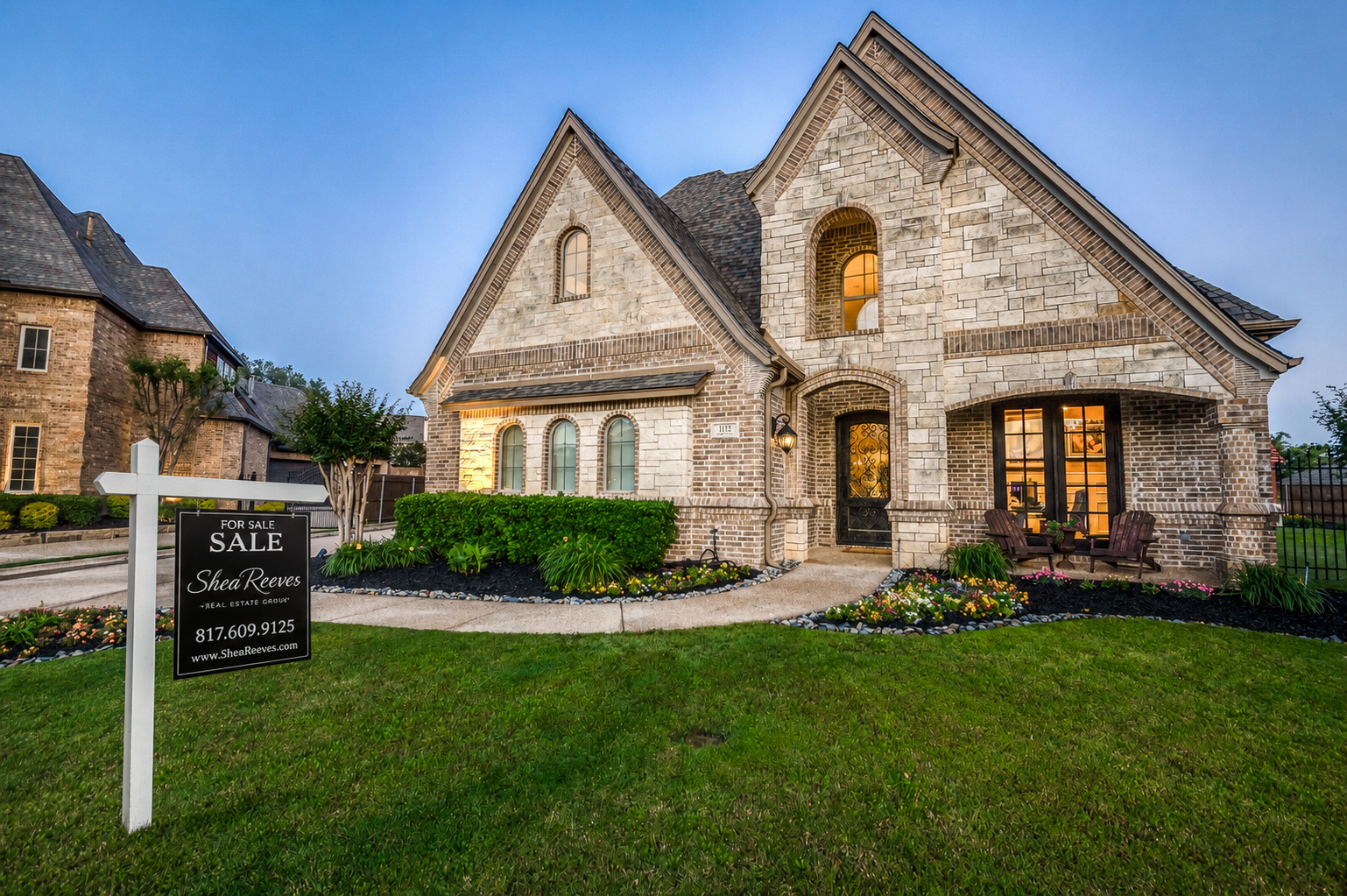
The 7 Most Common Reasons Homes Don't Sell
The 7 Most Common Reasons Homes Don't Sell
Few things are more frustrating than listing a home, accommodating showings, keeping the property ready, and watching the listing expire, cancel, or withdraw without achieving the desired result.
The good news is that most homes fail to sell for predictable reasons.
The better news is that many of those reasons can be corrected.
When homeowners understand what buyers are seeing, how they make decisions, and what influences demand, it becomes easier to identify opportunities for improvement.
The reality is that most unsold listings are not caused by a single issue.
Instead, several smaller factors often combine to reduce buyer interest.
Let's examine the seven most common reasons homes fail to sell.
Reason #1: The Home Never Made a Strong First Impression
Today's buyers begin their search online.
Before they ever schedule a showing, they review photos, descriptions, property details, neighborhood information, and competing listings.
Many buyers form an opinion within seconds.
If the first impression is weak, buyers may simply move on to the next property.
Common problems include:
- Poor photography
- Dark rooms
- Clutter
- Unattractive exterior photos
- Poor image selection
In today's market, first impressions often determine whether a buyer ever visits the property.
Reason #2: The Home Was Not Positioned Correctly
Positioning is different from pricing.
A property may be priced appropriately yet still struggle because buyers do not clearly understand its value.
Effective positioning highlights:
- Lifestyle
- Convenience
- Features
- Updates
- Location advantages
- Unique characteristics
The goal is to help buyers understand why they should choose your home instead of the alternatives available.
When positioning is unclear, buyer interest often declines.
Reason #3: Buyers Saw Better Alternatives
Buyers rarely evaluate homes individually.
They compare everything.
A buyer looking in Colleyville may also consider Southlake.
A buyer looking in Keller may also explore Trophy Club.
A relocating buyer may compare Grapevine, Las Colinas, Bedford, Hurst, Euless, and North Richland Hills.
The question buyers ask themselves is simple:
"Which home offers the best overall value?"
If competing properties offer stronger presentation, better condition, more updates, or a more desirable layout, buyers often choose those homes instead.
Reason #4: Condition Did Not Match Buyer Expectations
This does not mean the home was poorly maintained.
It means buyers perceived competing properties as more move-in ready.
Common concerns include:
- Dated kitchens
- Dated bathrooms
- Flooring issues
- Deferred maintenance
- Aging systems
- Cosmetic wear
Many homeowners become accustomed to these items over time.
Buyers notice them immediately.
Especially luxury buyers.
The challenge is that buyers often calculate renovation costs higher than actual costs, making even minor issues appear larger than they really are.
Reason #5: The Floorplan No Longer Appeals to Today's Buyers
Buyer preferences change.
What was highly desirable twenty years ago may not be as attractive today.
Common buyer preferences now include:
- Open living spaces
- First-floor primary suites
- Flexible home office space
- Large kitchens
- Outdoor living areas
- Natural light
Homes with older layouts can still sell successfully, but they often require stronger pricing, presentation, or positioning strategies.
Reason #6: Marketing Exposure Was Limited
Many homeowners assume every listing receives extensive marketing.
That is not always the case.
Simply entering a property into the MLS does not guarantee meaningful exposure.
A successful marketing strategy may include:
- Professional photography
- Digital advertising
- Social media promotion
- Email campaigns
- Agent networking
- Property-specific marketing
The objective is to maximize visibility among qualified buyers.
The more qualified buyers who see a property, the greater the likelihood of attracting interest.
Reason #7: Pricing and Perception Were Out of Alignment
Pricing matters.
However, pricing is often misunderstood.
The issue is not whether a home is worth a certain amount.
The issue is whether buyers perceive enough value at that price point compared to available alternatives.
A home's perceived value is influenced by:
- Condition
- Presentation
- Competition
- Market conditions
- Features
- Location
Sometimes a home is priced based on past sales rather than current competition.
Buyers shop based on today's alternatives, not yesterday's market.
The Good News
Most unsuccessful listings are not permanent failures.
In many cases, a home simply requires:
- Better preparation
- Better positioning
- Better presentation
- Better marketing
- Better pricing strategy
Sometimes relatively small adjustments can create dramatically different results.
That is why cancelled and withdrawn listings often represent opportunities rather than dead ends.
The market changes.
Competition changes.
Buyer behavior changes.
Strategies can change as well.
What Successful Relaunches Have in Common
When a home returns to the market successfully, several things often happen first.
The seller takes a fresh look at:
- Photography
- Condition
- Buyer feedback
- Marketing
- Competition
- Pricing strategy
Rather than repeating the previous approach, adjustments are made.
The objective is not simply to relist the home.
The objective is to relaunch it.
That distinction matters.
Final Thoughts
If your home did not sell, it does not necessarily mean buyers were not interested.
More often, it means one or more factors prevented the property from reaching its full market potential.
Understanding those factors is the first step toward creating a more successful outcome.
For a confidential review of your property's previous listing performance, contact Shea Reeves at 817-888-1258 or visit SheaReeves.com.
Frequently Asked Questions
What is the most common reason homes fail to sell?
Usually it is not a single issue. Presentation, condition, competition, marketing, positioning, and pricing often work together to influence results.
Should I lower my price if my home doesn't sell?
Not always. The underlying issue may involve presentation, marketing, or buyer perception rather than price alone.
Can a cancelled listing still sell successfully?
Absolutely. Many cancelled and withdrawn listings sell after a revised strategy is implemented.
How long should I wait before relisting?
The answer depends on the property's circumstances, competition, condition, and market activity.
Is professional photography really that important?
Yes. Photography often determines whether a buyer schedules a showing.
Author
Shea Reeves is a North Texas Realtor and Colleyville resident with more than 20 years of experience helping buyers and sellers throughout Colleyville, Southlake, Keller, Trophy Club, Grapevine, Bedford, Hurst, Euless, North Richland Hills, Las Colinas, and the surrounding Dallas-Fort Worth Metroplex. A 16-time top-producing Century 21 professional, Shea specializes in luxury homes, downsizing strategies, relocation services, and residential home sales.
Check out this article next