



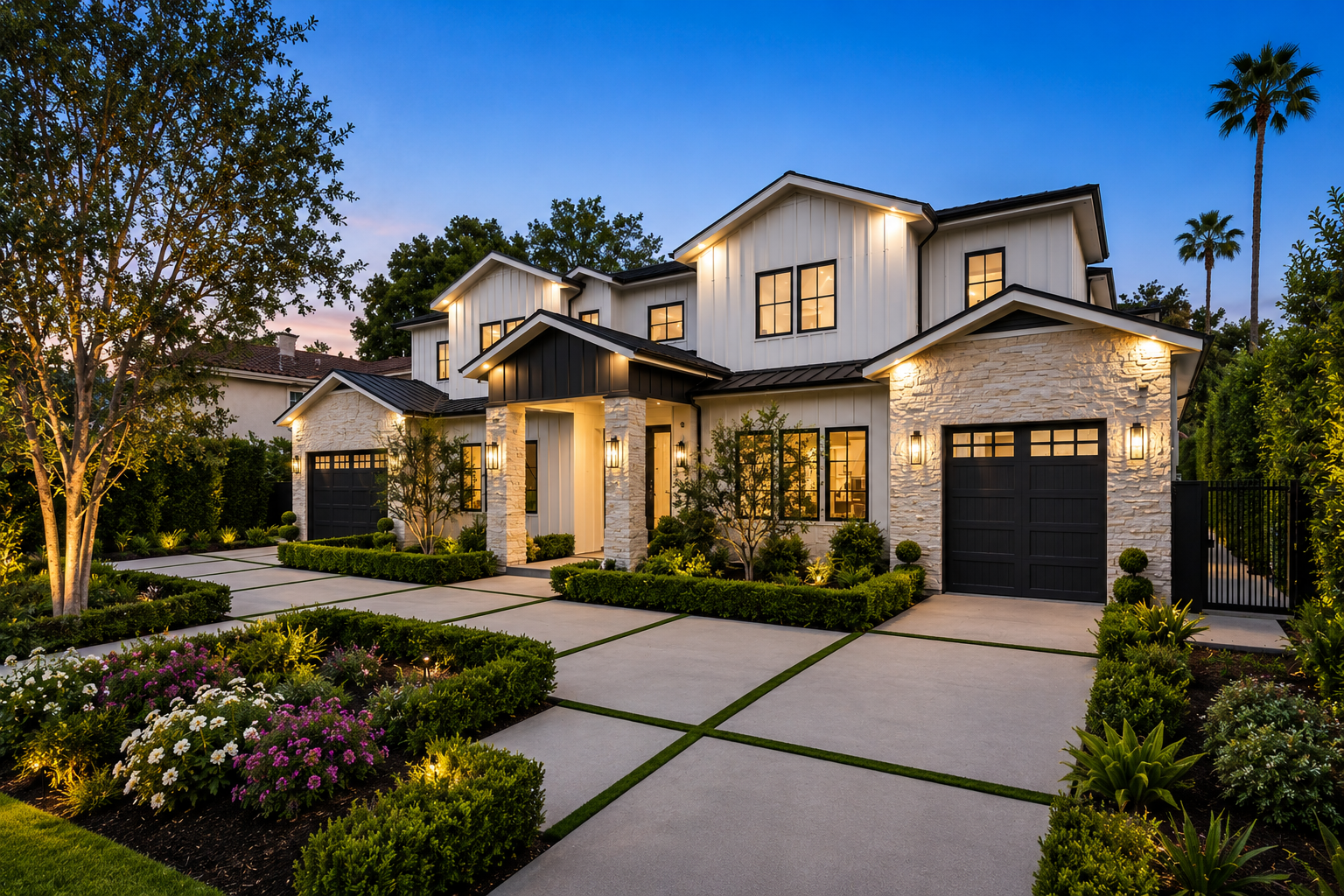
What I Would Change If Your Home Didn't Sell
One of the most common questions I hear from homeowners after a listing expires, is cancelled, or is withdrawn from the market is:
"What would you do differently?"
It's one of the most important questions a seller can ask because the answer often determines whether the next listing becomes a success.
After all, most homeowners didn't intentionally make mistakes.
They hired a real estate professional.
Prepared the home.
Allowed showings.
Waited for offers.
Yet the property never achieved the desired result.
The first thing I tell homeowners is this:
An unsuccessful listing does not automatically mean there is something wrong with the home.
In fact, many outstanding homes fail to sell every year.
The goal is not to assign blame.
The goal is to identify opportunities.
After more than 20 years helping homeowners throughout North Texas, I've found that many homes that failed to sell simply needed a different strategy—not necessarily a lower price.
If I were evaluating a home that previously failed to sell, these are the first areas I would examine.
First, I Would Review the Photography
Buyers cannot purchase a home they never notice.
Today's buyers often decide within just a few seconds whether they'll continue viewing a listing online. Professional photography frequently determines whether a buyer schedules a showing—or scrolls to the next home.
I would ask:
Were the strongest photos first?
Did the images create emotion?
Was the lighting professional?
Did the home appear bright and inviting?
Were the home's best features highlighted?
Many listings lose buyer attention before the second photograph.
That may sound harsh.
It is also reality.
The initial presentation must immediately create interest.
Next, I Would Analyze the First Impression
Buyers begin forming opinions long before they reach the front door.
I would evaluate:
Exterior appearance
Landscaping
Paint condition
Entryway presentation
Overall curb appeal
The goal is not perfection.
The goal is confidence.
Buyers should feel encouraged before they ever walk inside.
Strong first impressions often lead to stronger showings.
Then I Would Study the Competition
One of the biggest mistakes sellers make is evaluating their home in isolation.
Buyers don't.
They compare.
Constantly.
The question is simple:
Why would a buyer choose another home instead of yours?
The answer often reveals opportunities that weren't obvious during the first listing.
I Would Review Every Showing Comment
Buyer feedback is valuable.
Not because every comment is correct.
But because patterns matter.
If multiple buyers mention:
Dated finishes
Layout concerns
Pricing
Flooring
Lighting
Deferred maintenance
Those observations deserve attention.
One comment may simply be an opinion.
Five similar comments usually indicate a market perception that should be addressed.
Understanding that distinction helps guide better decisions.
I Would Examine the Showing Activity
Sometimes the showing history tells the story.
Questions I would ask include:
Were enough buyers scheduling appointments?
Did activity slow dramatically after the first week?
Did buyers spend enough time inside the home?
Did activity improve after price adjustments?
Were buyers requesting second showings?
Showing activity often reveals whether the issue is exposure, pricing, presentation, or buyer perception.
I Would Examine the Floorplan Through a Buyer's Eyes
Many homeowners love their floorplan because it worked perfectly for their family.
Today's buyers may view it differently.
Many buyers now prioritize:
Open living spaces
Home offices
First-floor primary suites
Flexible bonus rooms
Outdoor entertaining
If the layout differs from current buyer preferences, the strategy may need adjustment.
That adjustment may involve pricing.
It may involve presentation.
It may involve marketing.
The key is recognizing how buyers view the home today.
I Would Evaluate the Online Description
Most property descriptions are forgettable.
Many simply list:
Bedrooms.
Bathrooms.
Square footage.
Those details matter.
But they rarely create excitement.
A stronger description tells the story of living in the home.
It highlights:
Lifestyle
Neighborhood
Convenience
Architecture
Outdoor spaces
Entertaining opportunities
Buyers should understand why the property is special—not simply what it contains.
I Would Look Carefully at Pricing Strategy
Pricing matters.
However, I would not automatically assume the home was overpriced.
Many homeowners are surprised to learn that pricing is often a positioning issue rather than simply a valuation issue.
I would evaluate:
Competing listings
Recent sales
Showing activity
Buyer feedback
Current market conditions
Sometimes a home priced slightly below competing inventory generates dramatically more activity than one priced only a few thousand dollars higher.
Pricing isn't simply about value.
It influences buyer behavior.
The objective is not automatically lowering the price.
The objective is determining whether buyers perceive greater value than the alternatives available.
Those are very different conversations.
I Would Evaluate Marketing Exposure
One of the biggest misconceptions in residential real estate is that every listing receives meaningful exposure.
That simply isn't always true.
I would ask:
How many buyers actually saw the property?
What marketing channels were used?
Was digital advertising utilized?
Was social media leveraged?
Were local Realtors actively introduced to the property?
Were professional marketing materials created?
Was the property strategically positioned?
Exposure creates opportunity.
Limited exposure limits opportunity.
I Would Determine Whether the Home Was Listed or Launched
This is one of the biggest differences I see.
Many homes are listed.
Far fewer are strategically launched.
A true launch typically includes:
Preparation
Professional photography
Strategic pricing
Buyer targeting
Digital marketing
Agent outreach
Coordinated marketing materials
When these elements work together, they create momentum.
Momentum creates activity.
Activity creates opportunities.
The Market Is Slightly More Selective Than It Used To Be
Sometimes today's buyers have choices. That said, in most cases whenever a home buyer checks off the boxes of wants and needs the number of homes to choose from is limited and it's important to know what type of competition home buyers have to choose from whenever they are considering your home.
That doesn't mean homes aren't selling.
Homes sell every day throughout North Texas. 15-20 percent are still selling above the asking price. Many are selling for the list price fast.
However, buyers have become increasingly selective.
They compare:
Condition
Updates
Floorplan
Neighborhood
Convenience
Lifestyle
Overall value
The homes that perform best are often the homes that create the greatest confidence. And we can sell your home with a straight forward plan of action at a price you will be happy with and we can do it fast.
Most Unsold Listings Can Be Improved
This may be the most important takeaway.
An unsuccessful listing does not necessarily mean the property failed.
It often means the strategy fell short.
Sometimes the adjustments are significant.
Sometimes they're surprisingly small.
The key is identifying what buyers were actually seeing—and responding to.
That's where experience and strategy matter.
Final Thoughts
If your home didn't sell, the solution is rarely frustration.
The solution is evaluation.
A fresh perspective often uncovers opportunities that were overlooked the first time.
The goal isn't to repeat the previous strategy.
The goal is to improve it.
If your home didn't sell, I'd be happy to review the previous listing with you. I'll evaluate the photography, pricing strategy, marketing, competition, buyer feedback, showing activity, and overall presentation to identify opportunities that may improve the outcome when your home returns to the market.
If you're considering relisting, call or text me at 817-888-1258 or visit SheaReeves.com for a confidential, no-obligation consultation.
Frequently Asked Questions
Should I relist immediately after cancelling a listing?
Every situation is different. Sometimes taking time to prepare before relisting creates a stronger outcome.
Is price always the problem?
No. Presentation, marketing, buyer perception, competition, condition, and exposure frequently influence results.
Can professional photography really make a difference?
Absolutely. Photography often determines whether buyers schedule a showing in the first place.
Should I renovate before relisting?
Not always. Strategic improvements usually outperform unnecessary renovations. Knowing where to invest is often more important than how much you spend.
What is the first thing you review on an expired or cancelled listing?
Photography, showing activity, buyer feedback, pricing strategy, marketing exposure, competition, and overall presentation.
About the Author
Shea Reeves is a North Texas Realtor and Colleyville resident with more than 20 years of experience helping buyers and sellers throughout Colleyville, Southlake, Keller, Trophy Club, Grapevine, Bedford, Hurst, Euless, North Richland Hills, Richland Hills, Las Colinas, and the surrounding Dallas-Fort Worth Metroplex. As a top-producing Century 21 professional, Shea specializes in luxury homes, downsizing strategies, relocation services, and strategic residential home sales.
Related Articles
Check out this article next